I have avoided it lot of times, and my number has yet to come up. If it ends up that I need to cancel or interrupt, I'll simply need to take my monetary lumps I played the chances and lost. However in many cases it's probably a great idea to get this protection for example, if you're paying a great deal of up-front money for an organized tour or short-term lodging leasing (both of which are pricey to cancel), if you or your travel partner have questionable health, or if you have a liked one in the house in bad health. A standard trip-cancellation or interruption insurance plan covers the nonrefundable financial penalties or losses you sustain when you cancel a prepaid tour or flight for an acceptable factor, such as: You, your travel partner, or a relative can not travel because of illness, death, or layoff, Your tour company or airline fails or can't carry out as guaranteed A member of the family at home gets ill (examine the fine print to see how a relative's pre-existing condition may impact protection) You miss a flight or require an emergency flight for a factor outside your control (such as an automobile accident, severe weather, or a strike) So, if you or your travel partner accidentally breaks a leg a few days prior to your trip, you can both bail out (if you both have this insurance coverage) without losing all the money you spent for the journey.
This type of insurance can be used whether you're on an arranged tour or cruise, or traveling independently (in which case, just the prepaid expenses such as your flight and any nonrefundable hotel appointments are covered). Keep in mind the distinction: Journey cancellation is when you do not go on your trip at all. Journey interruption is when you start a journey but need to cut it short; in this case, you'll be repaid just for the part of the journey that you didn't total. If you're taking a trip, it may currently come with some cancellation insurance coverage ask - What is term life insurance. Some insurers won't cover certain airline companies or tour operators.
Ensure your provider is covered. Buy your insurance policy within a week of the date you make the first payment on your journey. Policies bought later on than a designated cutoff date normally 7 to 21 days, as identified by the insurance provider are less likely to cover tour company or air provider bankruptcies, pre-existing medical conditions (yours or those of relative at house), or terrorist incidents. Mental-health concerns are normally not covered. Jittery tourists are complaining about two big unknowns: terrorist attacks and natural catastrophes. Ask your company for details. A terrorist attack or natural disaster in your home town may or may not be covered.
Even then, if your tour operator offers a substitute itinerary, your protection may become space. As for natural disasters, you're covered just if your destination is uninhabitable (for example, your hotel is flooded or the airport is gone). War or outbreaks of illness usually aren't covered. With travel turned upside down by the coronavirus pandemic, it's more crucial than ever to understand what travel insurance coverage covers and what it does not. While many standard policies supply protection for flight cancellations and journey disruptions due to unanticipated occasions, many COVID-19related issues are omitted from protection, consisting of: Worry of travel: If you decide not to travel out of fear of contracting COVID-19, your insurance plan will not cover you.
Little Known Questions About What Is Health Insurance.

Extra COVID-19 outbreaks: If the location you're preparing to visit experiences new shutdowns after you have actually booked the trip, don't want to your travel insurance for protection. Going versus government travel warnings: If you do have protection, your policy may be voided if you travel someplace that your government has deemed unsafe, or if your government has restricted global travel. You might have the ability to prevent the concern of what is and what isn't covered by buying an expensive "cancel for any factor" policy (explained below). Health emergency situations are the primary cause for journey cancellations and disturbances, and they can come with high medical expenses along with prolonged accommodations costs for travel partners.
While many United States insurers cover you overseas, Medicare does not. Also, be sure you know any policy exemptions such as preauthorization requirements. Even if your health insurance does cover you worldwide, you might desire to think about purchasing a special medical travel policy. Much of the additional protection readily available is supplemental (or "secondary"), so it covers whatever expenditures your health insurance does not, such as deductibles. But you can likewise purchase main protection, which will take care of your costs up to a specific amount. In emergency circumstances involving expensive treatments or overnight stays, the healthcare facility will generally work straight with your travel-insurance carrier on billing (however not with your regular health insurance company; you'll likely have to pay up front to the healthcare facility or clinic, then get reimbursed by your stateside insurance provider later).
Whatever the circumstances, it's smart to call your insurance company from the road to let them know that you have actually looked for medical help. Lots of pre-existing conditions are covered by medical and trip-cancellation coverage, depending on when you purchase the coverage and how recently you've been dealt with for the condition. If you travel regularly to Europe, multi-trip yearly policies can conserve you cash. Talk to your agent or insurer before you dedicate. The United States State Department occasionally issues cautions about taking a trip to at-risk nations. If you're visiting one of these countries, your cancellation and medical insurance coverage will likely not be honored, unless you buy extra protection.
Compare the cost of a stand-alone travel medical strategy with detailed insurance coverage, which features great medical and evacuation protection. A travel-insurance company can assist you figure out the choices. Particular Medigap strategies cover some emergency situation care outside the United States; call the issuer of your additional policy for the details. Theft is particularly worrisome when you think about the dollar worth of the items we pack along. Laptops, tablets, video cameras, smart devices, and e-book readers are all expensive to replace. One way to secure your financial investment is to purchase travel insurance coverage from a specialized business such as Travel Guard, which offers a variety of choices that include coverage for theft.
How Much Is Home Insurance Can Be Fun For Anyone
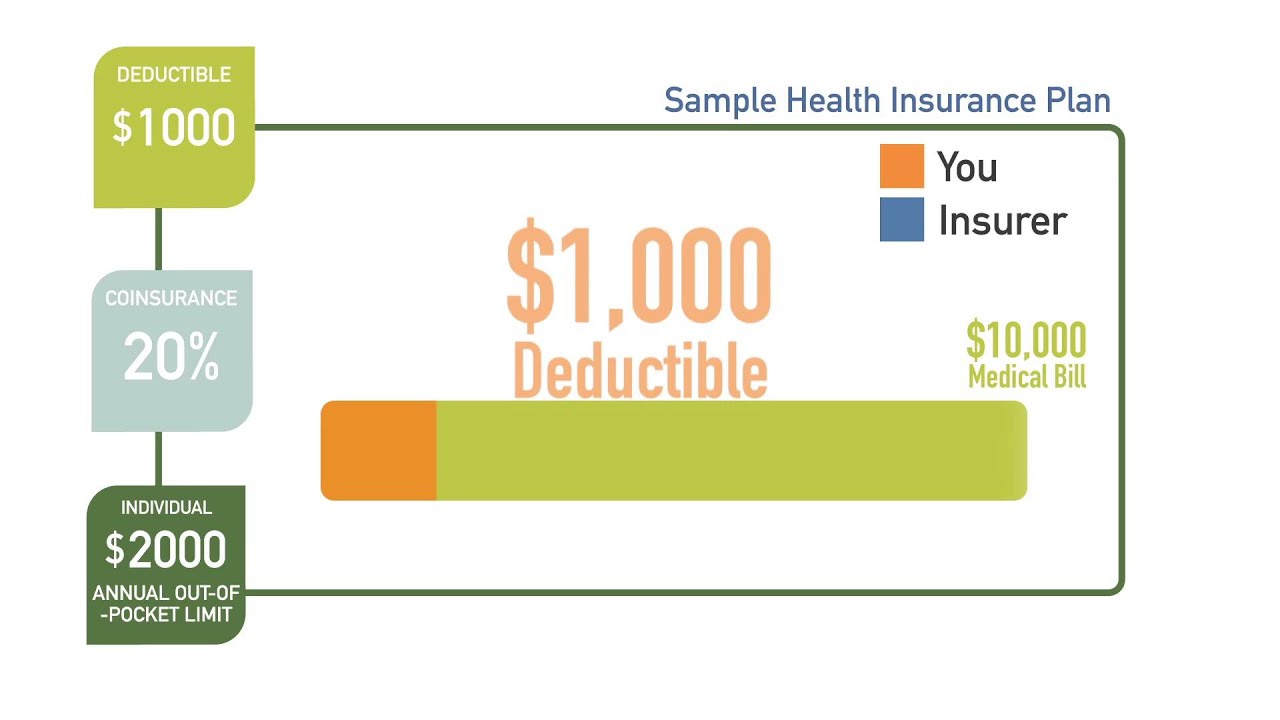
It's likewise wise to check with your house owners or occupants insurance provider. Under a lot of policies, your personal effects is already safeguarded against theft anywhere in the world but your insurance deductible still uses. If you have a $1,000 deductible and your $700 tablet is stolen, you'll need to pay to change it. Rather than buying separate insurance coverage, it may make more sense to include a rider to your existing policy to cover costly items while you take a trip. Before you leave, it's a great concept to take an inventory of all the high-value products you're bringing. Make a list of identification numbers, makes, and models of your electronics, and take pictures that can serve as records.